

Read practical advice
Explore straightforward guides for choosing, using and caring for garden products.
Visit the Advice CentreGarden products
Everything useful in one place, with the most important information kept separate from the buying controls above.
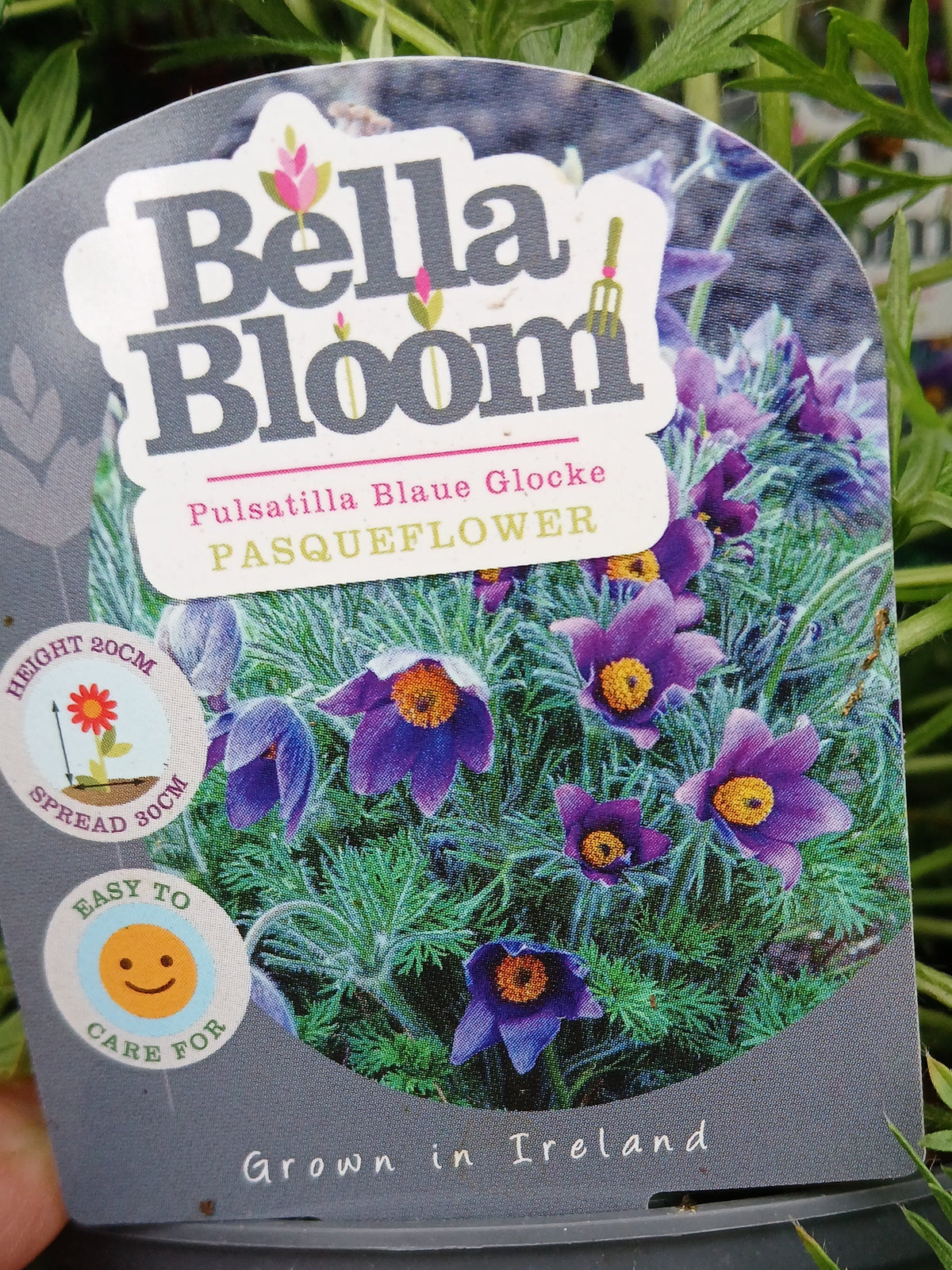
Pulsatilla vulgaris 'Blaue Glocke'
1 Litre Pot
Plant Highlights: Large violet-blue, bell-shaped flowers • Silky, finely divided foliage • Attractive feathery seed heads • Ideal for sunny borders and rock gardens
Pulsatilla vulgaris 'Blaue Glocke', commonly known as Pasque Flower, is a charming spring-flowering perennial valued for its large, nodding violet-blue blooms and soft, silky foliage. The flowers appear in early to mid-spring before the finely divided leaves have fully developed, creating a striking display that signals the arrival of the gardening season.
After flowering, the plant produces distinctive silky seed heads that provide lasting ornamental interest well into summer. Its compact, clump-forming habit makes it an excellent choice for rock gardens, gravel gardens, alpine beds and the front of sunny borders.
| Attribute | Information |
|---|---|
| Botanical Name | Pulsatilla vulgaris 'Blaue Glocke' |
| Common Name | Pasque Flower |
| Plant Type | Herbaceous perennial |
| Light | Full sun |
| Soil | Well-drained, sandy or loamy soil |
| Growth Habit | Low-growing, clump-forming |
| Foliage | Finely divided, soft green leaves, deciduous |
| Flower Colour | Violet-blue |
| Flowering Season | Early to mid-spring |
| Seasonal Interest | Silky ornamental seed heads after flowering |
| Mature Height | 20 – 30 cm |
| Mature Spread | 20 – 30 cm |
| Hardiness | RHS H5 (−15°C to −10°C). |
Plant in a sunny, open position where it can enjoy plenty of light. Once established, it prefers to remain undisturbed, making it well suited to permanent planting in borders and rockeries.
Water regularly while establishing. Established plants are relatively tolerant of short dry periods but perform best in well-drained soil that does not remain wet through winter.
Grow in fertile, free-draining soil. Avoid heavy, poorly drained ground, particularly during winter, as excessive moisture can damage the crown.
Remove faded flowers if seed heads are not required, although the silky seed heads are highly ornamental and often left in place for added interest. Cut back old foliage in late winter before fresh growth appears.
The early flowers provide a valuable source of nectar and pollen for bees and other pollinating insects emerging in spring.
Choose with confidence
Read practical advice or visit Easy Garden to compare the range with our team.
Explore straightforward guides for choosing, using and caring for garden products.
Visit the Advice CentreVisit Easy Garden to compare products in person and speak with our team.
Plan your visit